

BTC is a diverse Buddhist temple in the historic Uptown neighborhood of Chicago. Visit Sundays at 11 am for weekly English service (newcomer guide), explore our educational classes, meditate on Thursdays & Sundays, and drop in on our many cultural offerings and events. Check our Facebook page for the most recent updates. Everyone is welcome. Directions and parking info are at the bottom of the page.
Welcome to Rev. Fred Brenion
With Rev. Patti’s September retirement, Rev. Fred Brenion serves as the supervising minister for the Buddhist Temple of Chicago during the ministerial search. Rev. Brenion lives in Yucaipa, California and provides live Dharma messages for our Sunday services via live streaming. In 2011 Frederick became a Jodo Shinshu minister and has been active with other ministers and temples throughout the Higashi Honganji North American District.
COVID 19 Update
The temple is open for Sunday service. Masks are available and optional. However, we ask that participants respect individual decisions to wear or not wear a mask. We also have hand sanitizer readily accessible. Our modern HVAC system circulates the air by taking in outside air and expelling inside air. The walls to our main hall (the Hondo) are open allowing more space. We encourage attendees to socially distance themselves whether there are few or many people. These measures can improve safety for all attendees.
Live Streaming & Service Books
For those unable to attend as well as our friends across the country and internationally we will continue to stream select Sunday services on Facebook Live and ZOOM.
A full service book will help you follow the full service order (sutras, Dhammapada, gathas). Updated in 2009, the service book contains general explanations of the service form, elements of the service, core Sutras (chants), and gathas (songs) used during the service. Books can be ordered online here.
2024 Memberships!
Join online here, send the paper form through snail mail, or come in person to join or renew your membership*.
Our membership dues for 2023 underwent some changes. Rising expenses, and the potential costs of a new minister, necessitated an increase in the membership dues. However, two new lower price memberships now exist. These lower dues apply to individuals under the age of 30 and any first time new member. It is the hope of the board that these lower rates will encourage those who may otherwise be hesitant to join as members.
Your support is gratefully received, and allows us to keep the temple open. Thank you!


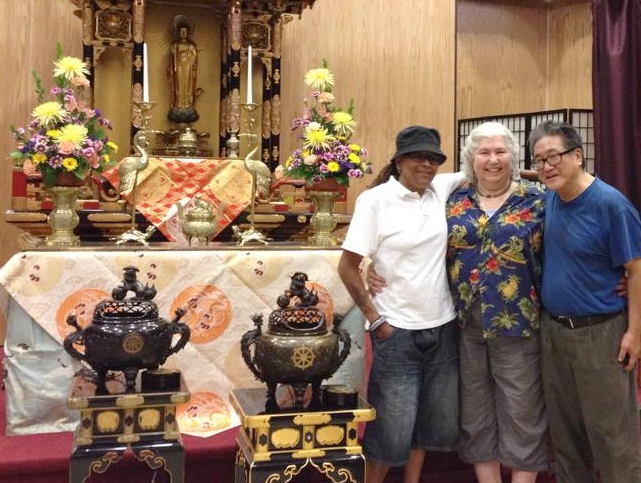


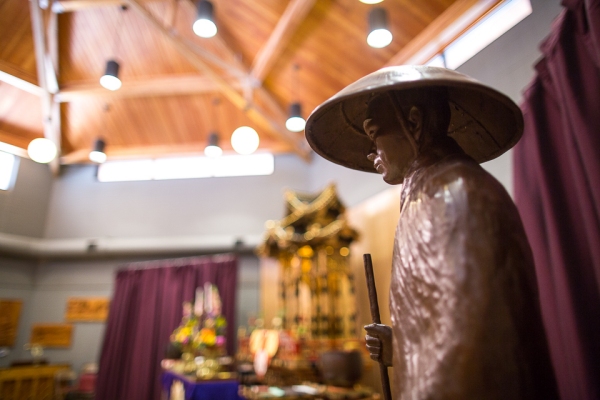
Photos from visitors, temple members, and Sam Lee Photo
Visit our facebook page.
 The Buddhist Temple of Chicago